
Download this resouce by completing the form below
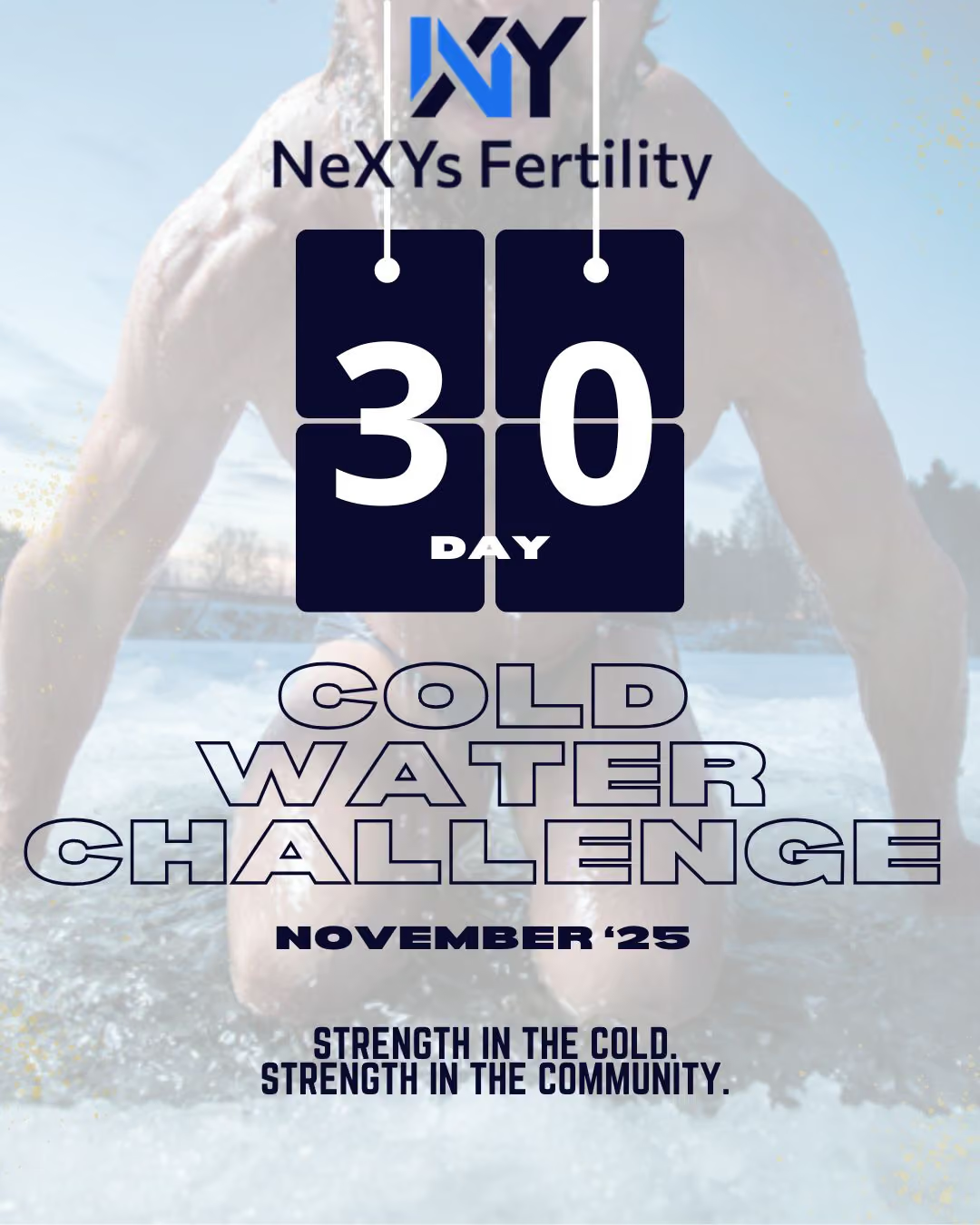
Cold-water exposure is not risk-free. Water below 15°C can trigger cold-water shock, with involuntary gasping, rapid breathing, increased heart rate and higher blood pressure. If you choose this 30-day challenge, begin with a controlled shower option, never enter open water alone and do not use it as a fertility or mental-health treatment. People with cardiac or other underlying conditions should seek medical advice first.
What is the 30-day cold water challenge?
It is a voluntary community activity built around brief, deliberate cold-water exposure. Participants may choose a cool shower or, if appropriately experienced and supported, a supervised open-water dip.
The purpose is routine and shared accountability, not proving toughness. A warm shower, a rest day or leaving the challenge are always valid choices.
What claims should the page avoid?
The previous copy said cold water could boost dopamine, sharpen focus and reduce inflammation. Those statements are too broad for a public challenge page and may lead readers to treat an optional activity as a health intervention.
Research into cold-water exposure is developing, but protocols, populations and outcomes vary. Short-term physiological changes do not establish lasting clinical benefit. There is no good basis for promising improved sperm health, fertility-treatment outcomes, resilience or treatment of depression. The page should frame any positive experience as personal, not guaranteed.
What is cold-water shock?
The RNLI defines water below 15°C as cold. Sudden immersion can cause an involuntary gasp, uncontrolled breathing, panic, increased heart rate and increased blood pressure. Swimming ability can deteriorate, and body temperature can continue falling after a person leaves the water.
Even strong swimmers can be affected. Acclimatisation does not remove the risk.
Who should get medical advice before taking part?
Ask a GP or relevant clinician first if this is your first open-water dip or if you have a heart or circulation condition, high blood pressure, a respiratory condition, epilepsy, a history of fainting, another significant medical condition, or concerns about medication and temperature exposure.
Do not participate when unwell, intoxicated, extremely tired or pressured by a group. A challenge is never a reason to ignore symptoms or professional advice.
Is a cold shower safer than open water?
A shower avoids currents, waves, depth and drowning hazards, but cold exposure can still feel intense and may not be appropriate for everyone. Keep control of the temperature, ensure the room and floor are safe, stop if you feel dizzy, faint, confused, have chest pain or cannot control your breathing, and warm up gradually.
There is no required duration. Longer and colder are not automatically better.
What are the essential rules for open-water dipping?
The challenge should only link to open-water activity if these rules are prominent:
- Check the weather, water temperature, tides, currents and local safety information.
- Use a lifeguarded or organised location when possible.
- Never swim or dip alone; use a buddy and tell someone your plan.
- Enter slowly. Never jump or dive straight into cold water.
- Stay within your depth and close to a safe exit.
- Wear appropriate kit, including a brightly coloured cap; consider a wetsuit and tow float.
- Carry a means of calling for help in a waterproof pouch.
- Keep the dip short and leave before you feel impaired.
- Dry and dress quickly in warm layers afterwards.
- If in doubt, stay out.
If somebody is in trouble, call 999 or 112 and ask for the Coastguard. Do not enter the water to attempt a rescue unless trained and equipped. If you unexpectedly enter cold water, follow the RNLI’s Float to Live guidance: tilt your head back, relax, control your breathing and float before trying to move.
A safer 30-day format
This is not a prescription. Participants choose only an option appropriate for them.
1–7
- Suggested focus: Learn the risks; use a brief cool finish to a shower if suitable
- Safety checkpoint: Stop if breathing feels uncontrolled or you feel unwell
8–14
- Suggested focus: Repeat only if comfortable; no pressure to get colder or stay longer
- Safety checkpoint: Review medical concerns and bathroom safety
15–21
- Suggested focus: Continue the shower option or attend an organised, supervised dip
- Safety checkpoint: Never enter open water alone or jump in
22–30
- Suggested focus: Maintain, switch to a warm wellbeing activity or stop
- Safety checkpoint: Consistency never outranks safety
An alternative daily action such as a walk, breathing practice or community check-in should be available to anyone who does not want cold exposure.
What should the downloadable guide include?
Replace the one-paragraph sales copy and duplicate download H1 with:
- the cold-water shock explanation;
- medical exclusions and red-flag symptoms;
- RNLI open-water checklist;
- emergency instructions;
- a flexible tracker with “rest” and “alternative activity” options;
- a clear statement that the activity is not fertility or mental-health treatment;
- privacy wording beside any email form.
Correct the site-wide “Download this resouce” typo at template level.
Related articles
- Coping with Christmas While TTC, Guidance from fertility counsellor Angela Pericleous-Smith
- Talking About Infertility as Men: Real Stories and Support
- The 24 Day Christmas Exercise Challenge
Sources
- RNLI: Cold water shock
https://rnli.org/water-safety/know-the-risks/cold-water-shock - RNLI: Cold water dipping
https://rnli.org/water-safety/choose-your-activity/cold-water-dipping - RNLI: Float to Live
https://rnli.org/safety/float
This page is general safety information, not medical advice. Cold-water exposure is optional and is not a fertility treatment.